Key Takeaways
- Against the backdrop of profound changes in the global economic environment, the precious metals market is undergoing an unprecedented wave of transformation.
- Precious metals such as gold and silver, long regarded by investors as classic safe-haven assets, continue to attract strong market attention regarding their future direction.
- This article will provide an in-depth analysis of global precious metals investment trends and explore potential trading opportunities worth watching in the future.
Against the backdrop of profound changes in the global economic environment, the precious metals market is undergoing an unprecedented wave of transformation. Precious metals such as gold and silver, long regarded by investors as classic safe-haven assets, continue to attract strong attention regarding their future market direction. This article will provide an in-depth analysis of global precious metals investment trends and explore potential trading opportunities worth positioning for in the future.
Strong Performance of Precious Metals amid High Inflation and Rising Interest Rates
Since 2026, global inflation has remained elevated. In response to economic pressure, central banks around the world have continued to raise interest rates. However, under such market conditions, precious metals prices have continued to climb amid volatility, with gold performing particularly strongly and breaking historical highs multiple times over the past year.
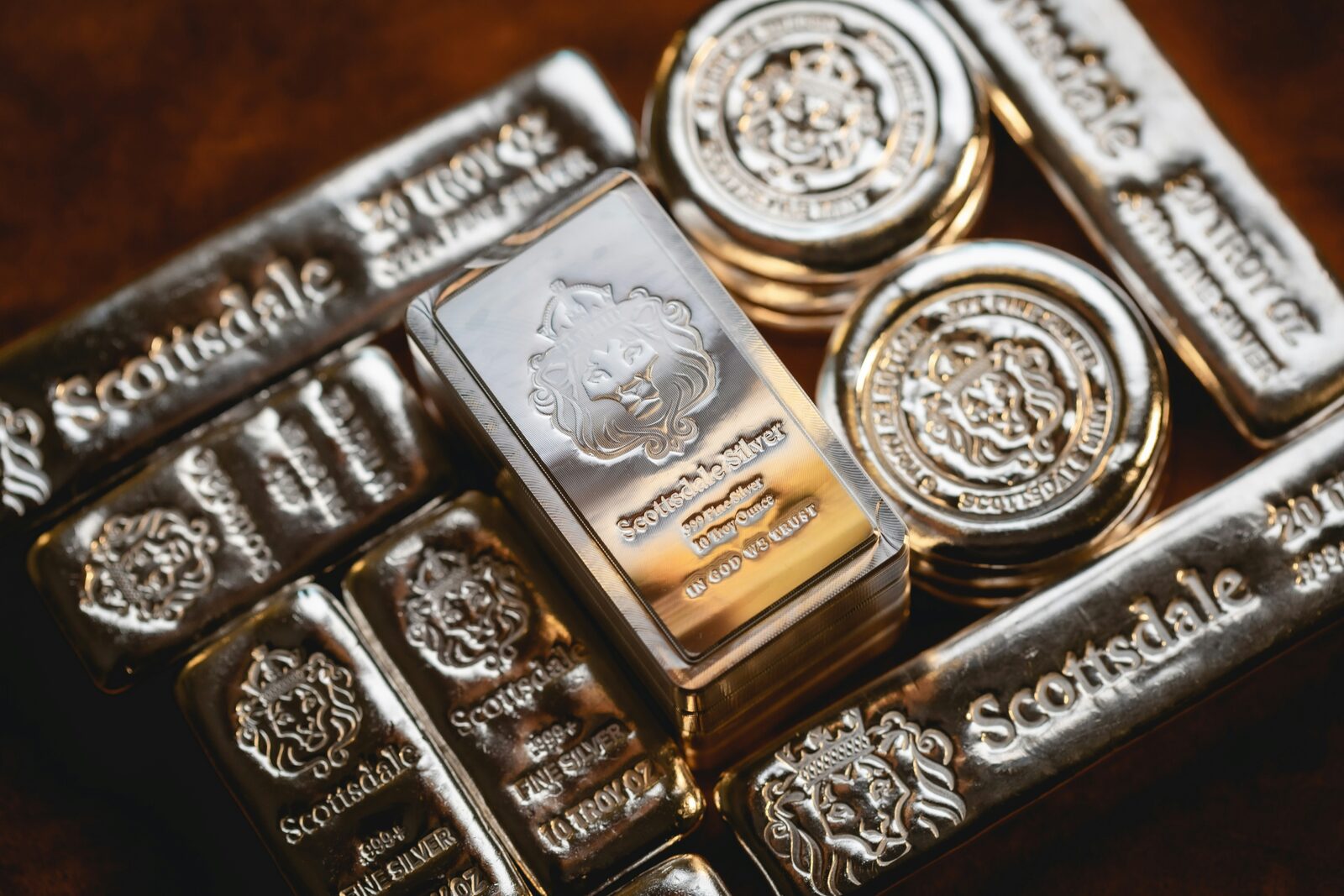
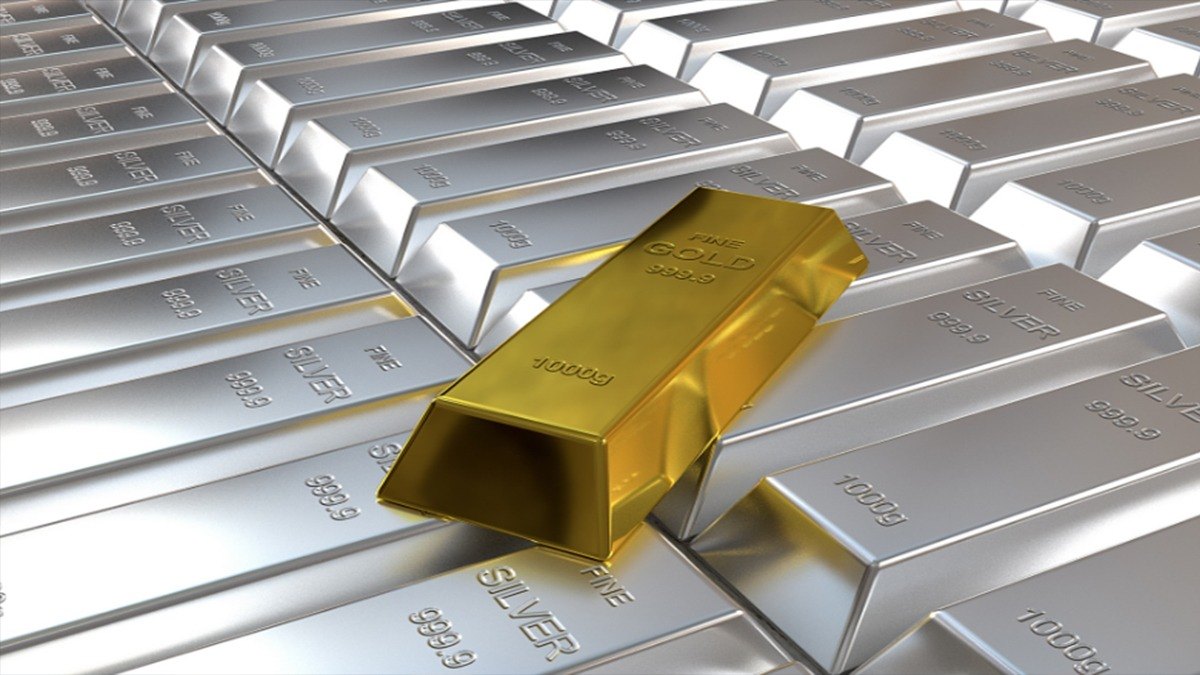
Behind this trend is the continued demand from global investors for safe-haven assets. When traditional financial assets face inflation erosion and market volatility risks, gold, with its monetary attributes and safe-haven characteristics, has become a key stabilizing asset in investors’ portfolios.
Silver, meanwhile, has both industrial metal and precious metal attributes. Its demand is not only supported by rising safe-haven sentiment, but also driven by the development of new energy technologies and industrial expansion. This diversified demand has provided steady support for silver prices.
New Changes in Precious Metals Investment under the Digitalization Wave
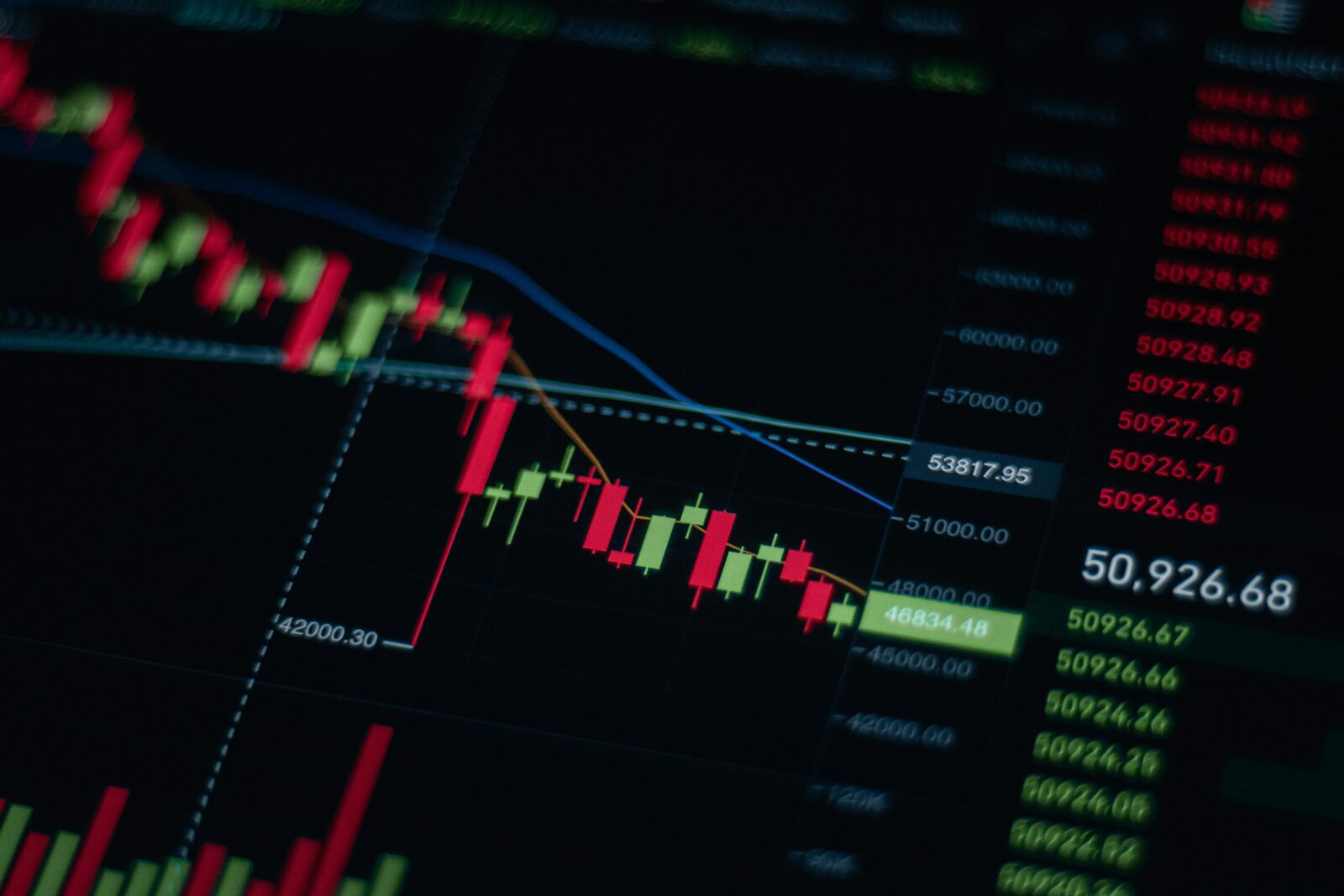
The rapid spread of digitalization has introduced new variables to the precious metals market. As the global economy gradually adapts to the growing popularity of digital currencies, more investors have begun comparing cryptocurrencies with precious metals, seeking the optimal portfolio balance between highly volatile crypto assets and relatively stable precious metals.
Although crypto assets such as Bitcoin have attracted some speculative capital with their high volatility, precious metals continue to maintain broad investment appeal. This is supported by their stability tested over centuries of market history, their practical industrial value, and their deeply rooted position in the global monetary system.
However, the rise of crypto assets has also pushed the precious metals market to accelerate its digital transformation. Innovative products such as gold ETFs and digital gold continue to emerge, bringing new vitality to traditional precious metals investment.
New Trends Worth Watching in the Future Precious Metals Market
1. Rising Industrial Demand Driven by the Green Economy
As the global green economy accelerates, the application of precious metals such as silver and platinum in advanced technologies will continue to expand. Silver’s excellent electrical and thermal conductivity makes it an essential raw material in solar power, energy storage, and other new energy sectors. Platinum also plays a key role in hydrogen energy, fuel cells, and other green technologies.
As these green technologies become more commercially adopted, demand for industrial precious metals may grow significantly, providing new support for prices.
2. Gold’s Safe-Haven and Store-of-Value Role Continues to Strengthen
Against a backdrop of rising geopolitical uncertainty and persistent inflationary pressure, gold’s role as a monetary alternative and wealth preservation tool is likely to become even more prominent. Both individual and institutional investors continue to view gold as a core asset for managing economic risk.
In addition, as the global monetary system evolves, gold’s monetary attributes may be further reinforced, and its position in international reserves may continue to rise.
3. Emerging Market Demand Is Reshaping the Global Market
Demand for gold and silver from emerging markets such as China and India is reshaping the global precious metals landscape. In these regions, gold is not only an investment asset, but also a cultural symbol and an important vehicle for wealth inheritance. As income levels rise, consumer demand for gold continues to grow.
Meanwhile, silver’s industrial applications in emerging markets are also expanding. In the future, the rise of emerging markets will become an important growth engine for the precious metals market. Investors should closely monitor policy changes and demand trends in these regions.
The global precious metals market is undergoing a period of deep transformation, with both opportunities and challenges ahead. For investors, whether focusing on gold’s safe-haven role or exploring the growth potential of silver and platinum in the green economy, it is important to build a diversified asset allocation strategy based on personal risk tolerance and investment goals.
If you would like to learn more about specific precious metals investment strategies, feel free to leave a comment and join us in discussing the future of global markets.