Key Takeaways
- Gold has no earnings, no cash flow, and no central bank.
- Its price is a function of three things that interact in ways most retail commentary oversimplifies.
- Here are the three drivers, the contracts retail traders actually use, and the technical levels gold respects.
Gold is one of the oldest financial instruments in continuous use, and one of the most misunderstood by retail traders. "Inflation hedge" and "safe haven" are starting points, not explanations. The actual price drivers are more specific, and once you know them the chart starts to make a lot more sense.
The three things that move gold
1. Real interest rates
Gold pays no interest. When real interest rates (nominal rates minus inflation expectations) are positive and rising, the opportunity cost of holding gold — versus, say, holding 10-year US Treasury inflation-protected securities — increases. Gold typically struggles. When real rates fall toward zero or turn negative, that opportunity cost collapses and gold typically rises.
This is the single most studied relationship in gold pricing. Watch the US 10-year TIPS yield (the inflation-protected real yield benchmark). When it falls hard, gold's tape often improves; when it rises hard, gold's tape often deteriorates.
2. The US dollar
Gold is priced globally in US dollars. When the dollar strengthens against other currencies (DXY rising), the same ounce of gold becomes more expensive in every other currency, which dampens demand from non-USD buyers. Gold tends to trade inversely to the dollar index.
The correlation is not perfect — it breaks down in periods of acute risk-off when both dollar and gold rally together as safe assets — but it is the second most reliable input most of the time.
3. Official sector flows
Central banks have been net buyers of gold every year since 2010. The aggregate annual purchase has accelerated significantly in the post-2022 period as several large emerging-market central banks have diversified reserves away from US Treasuries. This is a slow-moving but very large buyer that puts a structural bid under the gold market.
Quarterly data from the World Gold Council is the canonical source. It is worth knowing, even for short-term traders, because it explains why drawdowns have been shallower than the real-rate model alone would predict.
What "gold" actually trades as
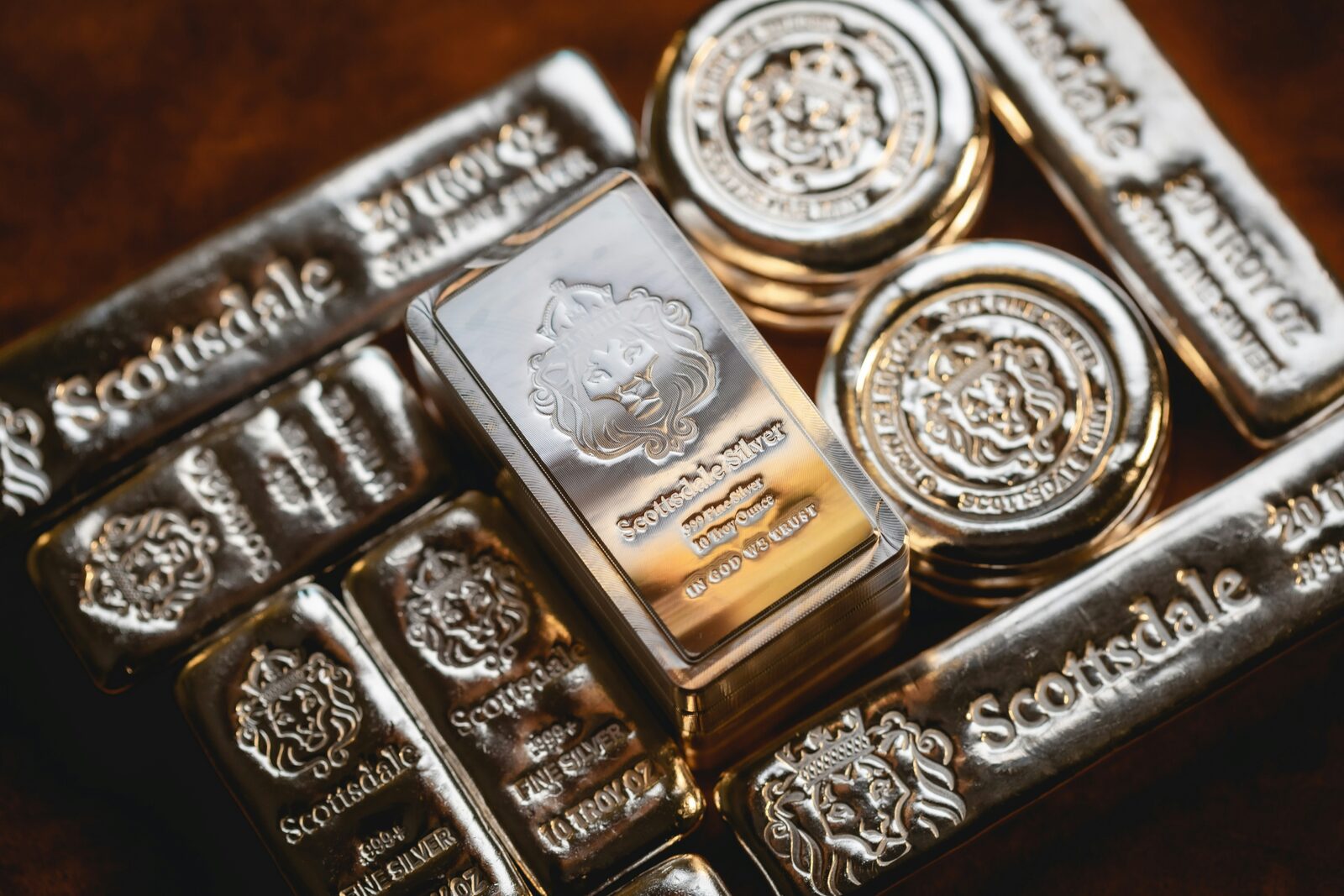
Retail traders typically encounter gold in one of three forms:
Spot gold (XAU/USD)
The over-the-counter cash market price. Quoted in USD per troy ounce. The benchmark price the financial media references. CFDs on XAU/USD reference this market and roll continuously, with no contract expiry.
Gold futures
Contracts traded on regulated exchanges (CME's GC contract being the largest) with standardised sizes (100 oz) and quarterly expiries. Most retail traders access these through CFD wrappers rather than direct futures accounts.
Gold CFDs
The most common retail access route. A CFD on gold gives you the cash difference between entry and exit price, settled in your account currency. No physical delivery; no contract expiry to manage on a spot CFD. Overnight financing applies — small but accumulates on long-held positions.
Contract specifications at TopWealth
For XAU/USD on a Standard account:
- 1 standard lot = 100 oz
- 1 pip (USD 0.01 price move) = USD 1 per standard lot
- Typical spread: 25-35 cents (i.e. 25-35 pips in gold notation)
- Minimum trade size: 0.01 lot
So a 1-lot long position at USD 2,400/oz has a notional value of USD 240,000. At 1:50 leverage (typical for gold), the margin requirement is USD 4,800. A 10-dollar move (1,000 pips) in either direction is USD 1,000 of P&L per lot.
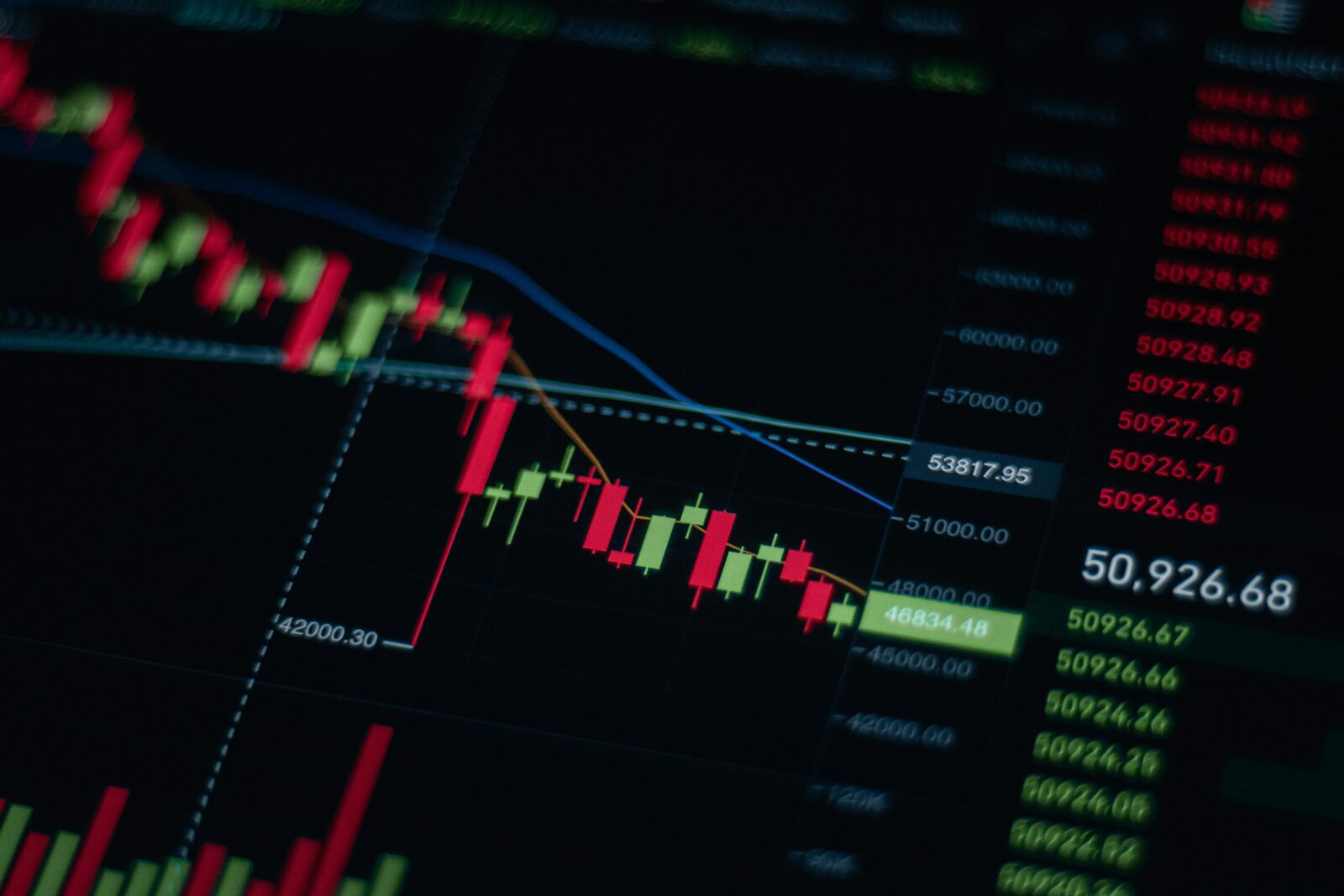
The technical levels gold respects
Gold is a relatively well-behaved instrument technically, partly because it lacks the catalysts of single stocks (no earnings) and trades on a consistent set of macro drivers. A few practical observations:
- Round numbers matter more than usual. Major round levels (1,800, 1,900, 2,000, 2,500) act as both psychological and option-strike clusters. They produce visible reactions even on daily charts.
- The 200-day moving average is widely watched. Sustained breaks above or below it tend to mark trend transitions that hold for months.
- Volume profile from the most recent multi-month range is highly tradable. The high-volume nodes within a range tend to reject the first re-test from below; the low-volume nodes tend to accelerate through.
What gold is not
Gold is not a short-term inflation hedge. The correlation with monthly CPI prints is weak and unreliable. Gold is a hedge against the long-term debasement of fiat currency relative to a fixed-supply asset, which is a much slower-moving thesis than the headlines suggest.
Gold is not a guaranteed safe haven in every crisis. During the March 2020 liquidity event and the September 2022 dollar squeeze, gold sold off alongside risk assets as institutions raised cash. The safe-haven label is true on a multi-quarter timeframe and unreliable on a single trading day.
Gold is not a yielding asset. There is no dividend, no coupon, no income. Returns must come from price appreciation alone, which means timing matters more than it does for an equity portfolio.
How to start trading gold
- Open a chart of XAU/USD on the daily timeframe. Overlay the US 10-year real yield (TIPS yield). Spend a week watching them together. The inverse relationship becomes visible quickly.
- Start with the smallest position size your platform allows. Gold's daily range is typically 1-2% of its price; on a USD 2,400 ounce, that is USD 24-48 per ounce of normal noise. A 1-lot position swings USD 2,400-4,800 in a normal day. Size accordingly.
- Pay attention to the New York open. Gold's most reliable directional moves often start in the first two hours of the New York session, when both US data and the deepest dollar liquidity are in play.
- Track central bank policy meeting calendars. FOMC decisions and the surrounding press conferences are the single largest scheduled volatility events for gold most weeks of the year.
This article is general educational information about gold as a trading instrument and does not constitute personal advice or a recommendation to buy or sell gold. CFDs on gold are complex leveraged products and carry a high risk of losing money rapidly. Pip values, spreads, and margin requirements are indicative; please refer to our published instrument specifications for current rates.